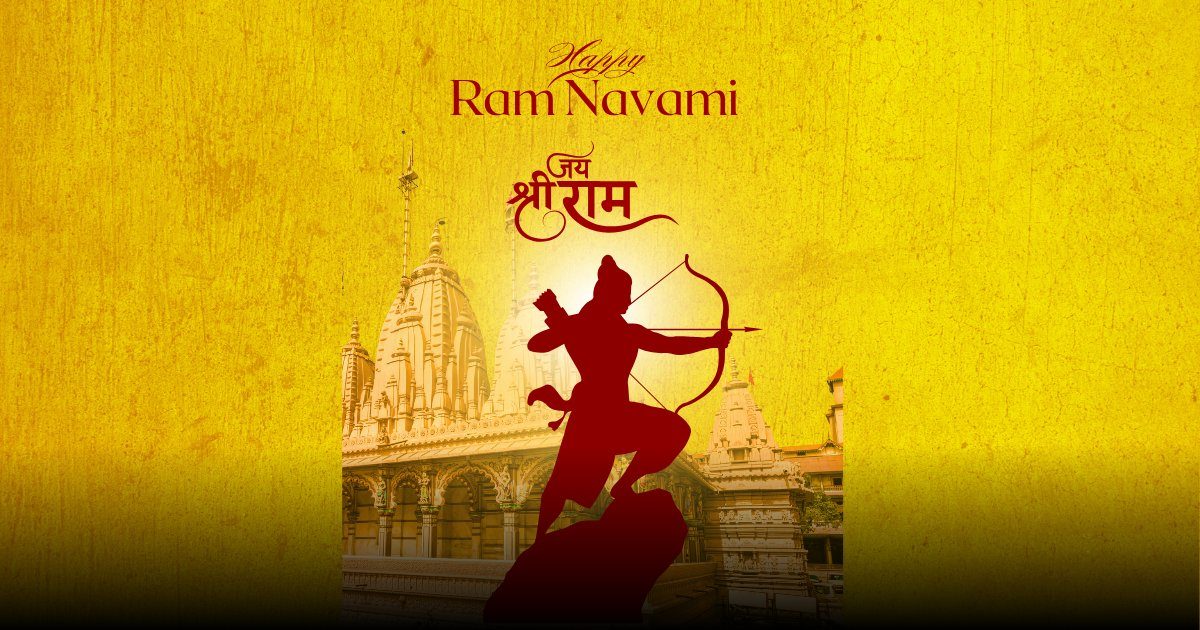
Ram Navami 2026 celebrates the divine birth of Maryada Purushottam Lord Shri Rama — the seventh avatar of Lord Vishnu and the embodiment of dharma, truth, and righteousness. Falling on Chaitra Shukla Navami, this sacred festival marks the culmination of the nine-day Chaitra Navratri and is celebrated with immense devotion across Maharashtra and India.
Whether you are anywhere in India or across the globe, this comprehensive guide covers everything you need to know — from the exact date and shubh muhurat to step-by-step puja vidhi, powerful mantras, fasting rules, and celebrations.
Ram Navami 2026 — Key Dates & Timings
- Festival Date: Thursday, 26th March 2026
- Navami Tithi Begins: 11:48 AM on March 26, 2026
- Navami Tithi Ends: 10:06 AM on March 27, 2026
- Madhyahna Muhurat (Best Puja Time): 11:13 AM to 1:41 PM
- Ram Janma Moment: ~12:27 PM (most sacred)
- Day: Chaitra Shukla Navami (9th day of Chaitra Navratri)
Ram Navami 2026: March 26 or March 27?
There is some confusion this year about whether Ram Navami falls on March 26 or March 27, 2026. Here is the clarification:
- March 26 (Thursday) — According to Madhyahna Tithi (noon-based calculation), which is the traditional and most widely followed method. The Navami Tithi prevails during the Madhyahna period on March 26, making it the correct date for puja.
- March 27 (Friday) — Those who follow Udaya Tithi (sunrise-based observation) may celebrate on this date, as the Navami Tithi continues until 10:06 AM on March 27.
Recommendation: As per Dharmashastra and most panchang authorities, Ram Navami should be observed on March 26, 2026 (Thursday) based on the Madhyahna Tithi, which is the scripturally prescribed method. Perform puja during Madhyahna Muhurat (11:13 AM - 1:41 PM) for maximum spiritual benefit.
Significance of Ram Navami
Ram Navami holds profound spiritual and cultural significance in Sanatan Dharma:
- Divine Birth: Lord Vishnu incarnated as Shri Rama in the house of King Dasharatha and Queen Kaushalya in Ayodhya to restore dharma and vanquish adharma.
- Triumph of Righteousness: Lord Rama's life exemplifies maryada (dignity), kartavya (duty), and satya (truth) — ideals that every human should aspire to.
- Navratri Culmination: Ram Navami is the 9th and final day of Chaitra Navratri, symbolizing the victory of divine energy after nine days of worship.
- Hindu New Year Connection: Falling in the month of Chaitra, it marks the beginning of the Hindu calendar year in many traditions.
- Spiritual Awakening: The festival encourages self-discipline, compassion, devotion, and adherence to dharma in daily life.
The Story of Lord Rama's Birth
According to the Ramayana, when the earth was burdened by the tyranny of the demon king Ravana, the gods prayed to Lord Vishnu for deliverance. Lord Vishnu chose to incarnate as the son of King Dasharatha of Ayodhya. On Chaitra Shukla Navami, during the auspicious Punarvasu Nakshatra at midday, Queen Kaushalya gave birth to the divine child — Shri Rama. The entire kingdom of Ayodhya erupted in celebration, and the celestial beings showered flowers from the heavens.
Ram Navami Puja Vidhi
On Ram Navami, devotees wake up early during Brahma Muhurta, take a purifying bath, and wear clean yellow or saffron clothes. The puja is performed during the Madhyahna Muhurat (11:13 AM - 1:41 PM) by installing Lord Rama's idol along with Mata Sita, Lakshman, and Hanuman on a decorated altar. The ritual includes Abhishek with Panchamrit, offering yellow flowers, tulsi leaves, lighting a ghee diya, chanting mantras, and concluding with aarti and prasad distribution.
For personalized Ram Navami puja guidance with correct mantras and complete vidhi, consult NimkarGuruji who can guide you through every step based on your horoscope and family traditions.
Ram Janma Celebration — The Sacred Noon Ritual
The most significant moment of Ram Navami is the Madhyahna Kaal (noon period), believed to be the exact time of Lord Rama's birth. In 2026, this falls at approximately 12:27 PM.
Ram Janma — Most Sacred Moment
- Time: ~12:27 PM on March 26, 2026
- Madhyahna Period: 11:13 AM to 1:41 PM
- Ritual: Place Bal Rama (infant Rama) idol in a decorated cradle
- Celebration: Sing bhajans, blow conch shell, ring bells
Palna Ceremony (Cradle Ritual)
During the Madhyahna Kaal, a beautifully decorated cradle (palna/jhula) is prepared:
- Decorate a small cradle with flowers, cloth, and garlands
- Place the infant Rama (Bal Rama) idol in the cradle
- At the sacred moment (~12:27 PM), gently rock the cradle
- Sing "Shri Ram Chandra Kripalu Bhajuman" and other bhajans
- Blow the shankh (conch shell) and ring bells
- Shower flower petals and akshat on the cradle
- Distribute prasad to all present
Ram Navami Mantras & Stotras
Chanting these powerful mantras on Ram Navami brings divine blessings, protection, and spiritual growth:
1. Ram Moola Mantra
"ॐ श्री रामाय नमः"
"Om Shri Ramaya Namah"
Meaning: Salutations to Lord Shri Rama
2. Ram Beej Mantra
"ॐ रां रामाय नमः"
"Om Raam Ramaya Namah"
Chant 108 times using a tulsi mala for maximum benefit.
3. Ram Taraka Mantra
"श्री राम जय राम जय जय राम"
"Shri Ram Jai Ram Jai Jai Ram"
This is the most powerful and universally chanted Ram mantra. Reciting it 108 times or more purifies the mind and soul.
4. Ramcharitmanas Chaupai
"श्रीरामचन्द्र कृपालु भजु मन हरण भवभय दारुणम्।
नवकंज लोचन कंज मुख कर कंज पद कंजारुणम्॥"
This chaupai from Ramcharitmanas by Tulsidas is ideal for morning recitation.
5. Ram Raksha Stotra
The Ram Raksha Stotra, composed by Sage Budha Kaushika, is a powerful protective hymn. Reciting it on Ram Navami creates a divine shield around the devotee, protecting from physical, mental, and spiritual adversities. Many devotees recite it 11 times on this auspicious day.
6. Ram Gayatri Mantra
"ॐ दाशरथाय विद्महे सीतावल्लभाय धीमहि तन्नो राम प्रचोदयात्"
"Om Dasharathaye Vidmahe Sitavallabhaya Dhimahi Tanno Rama Prachodayat"
Ram Navami Fasting Rules (Vrat Vidhi)
Fasting on Ram Navami is considered highly meritorious. There are different types of fasts you can observe:
| Fast Type | Description | Who Should Follow |
|---|---|---|
| Nirjala Vrat | Complete fast without food or water from sunrise to sunrise | Advanced devotees with good health |
| Phalahar Vrat | Only fruits, milk, and vrat-friendly foods allowed | Most devotees (Recommended) |
| Partial Fast | One sattvic meal during the day with vrat ingredients | Elderly, pregnant women, health conditions |
| Navratri Continuation | Continue 9-day Navratri fast, break on Ram Navami after puja | Those observing full Chaitra Navratri |
What to Eat During Ram Navami Fast
- Fruits: All fresh fruits — banana, apple, papaya, pomegranate
- Sabudana (Sago): Khichdi, vada, kheer
- Kuttu ka Atta: Buckwheat flour rotis and puris
- Singhare ka Atta: Water chestnut flour preparations
- Potatoes & Sweet Potatoes: Root vegetables are allowed
- Milk Products: Curd, milk, paneer, buttermilk
- Dry Fruits: Almonds, cashews, raisins, walnuts
- Sendha Namak: Rock salt (regular salt is avoided)
- Makhana (Fox Nuts): Roasted or in kheer
What to Avoid
- Grains (rice, wheat, dal, pulses)
- Onion, garlic, and non-vegetarian food
- Regular table salt (use sendha namak)
- Alcohol and tobacco
When to Break the Fast
The fast is traditionally broken after completing the Madhyahna puja (post 1:41 PM on March 26). Those observing sunrise-to-sunrise fast can break it the next morning after sunrise. Share prasad with family and the needy.
How Ram Navami is Celebrated Across India & the World
Ram Navami is one of the most widely celebrated Hindu festivals, observed with unique traditions across different regions:
Celebrations Across India
- Ayodhya (Uttar Pradesh): The grandest celebrations take place at Lord Rama's birthplace. The newly consecrated Shri Ram Janmabhoomi Temple hosts special abhishek, darshan, and cultural programs, attracting millions of devotees.
- Maharashtra: Grand shobha yatras (processions) with decorated chariots, bhajan mandalis, kirtans, pravachans, and community bhandara (feasting) are held across the state. Homes and temples across the state celebrate with Ram Katha recitations, special pujas, and evening bhajan sessions.
- Sitamarhi (Bihar): Believed to be Mata Sita's birthplace, celebrates with equal grandeur and devotion.
- Bhadrachalam (Telangana): Famous for the celestial Sita Rama Kalyanam — a grand re-enactment of the divine wedding of Rama and Sita attended by lakhs of devotees.
- Rameswaram (Tamil Nadu): One of the sacred Char Dham, hosts special pujas and abhishek at the ancient Ramanathaswamy Temple.
- Hampi (Karnataka): Celebrations at the historic Hazara Rama Temple with traditional Carnatic music and cultural events.
- South India: Ram Navami is celebrated as Sri Rama Navami with Panakam (jaggery drink), Kosambari (lentil salad), and Neer Mor (spiced buttermilk) served as traditional prasad.
- North India: Large-scale Ramayana recitations, Ram Leela performances, and temple processions mark the celebrations across Delhi, Rajasthan, Madhya Pradesh, and other states.
Global Celebrations
Ram Navami is celebrated by Hindu communities worldwide:
- Nepal: A national holiday with grand celebrations at Janakpur (Sita's birthplace) and Pashupatinath Temple in Kathmandu.
- Southeast Asia: In Indonesia, Thailand, Cambodia, and Malaysia, Ram Navami is observed through Ramayana-inspired dance performances, temple rituals, and cultural festivals rooted in centuries-old traditions.
- Caribbean & Fiji: Hindu communities in Trinidad & Tobago, Guyana, Suriname, and Fiji celebrate with temple gatherings, Ram Katha, and community feasts.
- USA, UK & Australia: Hindu temples and cultural organisations host special pujas, bhajan evenings, and Ram Navami festivals for the Indian diaspora.
Astrological Significance of Ram Navami
From a Vedic astrology perspective, Ram Navami holds immense significance:
- Lord Rama's Birth Chart: Rama was born when the Sun was exalted in Aries (Mesha Rashi), Jupiter and Moon were strong in Cancer (Karka), and five planets were in their positions of strength — making it one of the most auspicious planetary alignments.
- Punarvasu Nakshatra: Lord Rama was born under the Punarvasu Nakshatra, which signifies renewal, prosperity, and return of goodness.
- Auspicious for New Beginnings: Ram Navami is considered one of the best days to start new ventures, make important decisions, and perform sacred ceremonies.
- Planetary Blessings: Performing puja during the Madhyahna Muhurat when the Sun is at its peak is believed to invoke the combined blessings of Sun, Jupiter, and Mars — the planets of power, wisdom, and courage.
Astrological Tip from NimkarGuruji
Ram Navami 2026 is exceptionally auspicious for those with Sun, Jupiter, or Mars-related doshas in their horoscope. Performing Ram puja and chanting Ram Raksha Stotra on this day can significantly reduce the malefic effects of these planetary afflictions. Consult NimkarGuruji for personalized guidance.
Frequently Asked Questions (FAQ)
When is Ram Navami in 2026?
Ram Navami 2026 will be celebrated on Thursday, 26th March 2026. The Navami Tithi begins at 11:48 AM on March 26 and ends at 10:06 AM on March 27, 2026.
What is the best time for Ram Navami puja in 2026?
The Madhyahna Muhurat from 11:13 AM to 1:41 PM on March 26, 2026, is the most auspicious time. The peak sacred moment is at approximately 12:27 PM.
Can I eat during Ram Navami fast?
Yes, most devotees follow a Phalahar (fruit-based) fast. You can eat fruits, sabudana, kuttu atta, milk products, dry fruits, and potatoes. Avoid grains, onion, garlic, and regular salt.
Is Ram Navami on March 26 or 27 in 2026?
Most panchang experts recommend celebrating on March 26, 2026 (Thursday) based on the Madhyahna Tithi method, which is the traditional calculation for this festival.
Which mantra should I chant on Ram Navami?
The most powerful mantras are: "Om Shri Ramaya Namah" (108 times), "Shri Ram Jai Ram Jai Jai Ram", and the complete Ram Raksha Stotra. Chanting during Madhyahna Muhurat multiplies the spiritual benefit.
How to celebrate Ram Navami at home?
Set up a puja altar with Ram Parivar (Rama, Sita, Lakshman, Hanuman), perform abhishek with Panchamrit, offer yellow flowers and prasad, chant mantras during Madhyahna Muhurat, and conduct the Palna (cradle) ceremony at noon.
Book Ram Navami Puja 2026: Get expert puja guidance and personalized astrological consultation from NimkarGuruji with 40+ years of Vedic experience.
Call: +91 94203 78103 WhatsApp NowMay Lord Shri Rama bless you and your family with peace, prosperity, and righteousness. जय श्री राम! 🙏

Liked This Article?
Get personalized advice from NimkarGuruji — we'll call you within 24 hours
Your information is 100% confidential
Know What Your Stars Say
Get Free Personalized Rashi Insights